(708) 403-4777 or 888-403-4777
(708) 403-4777 or 888-403-4777

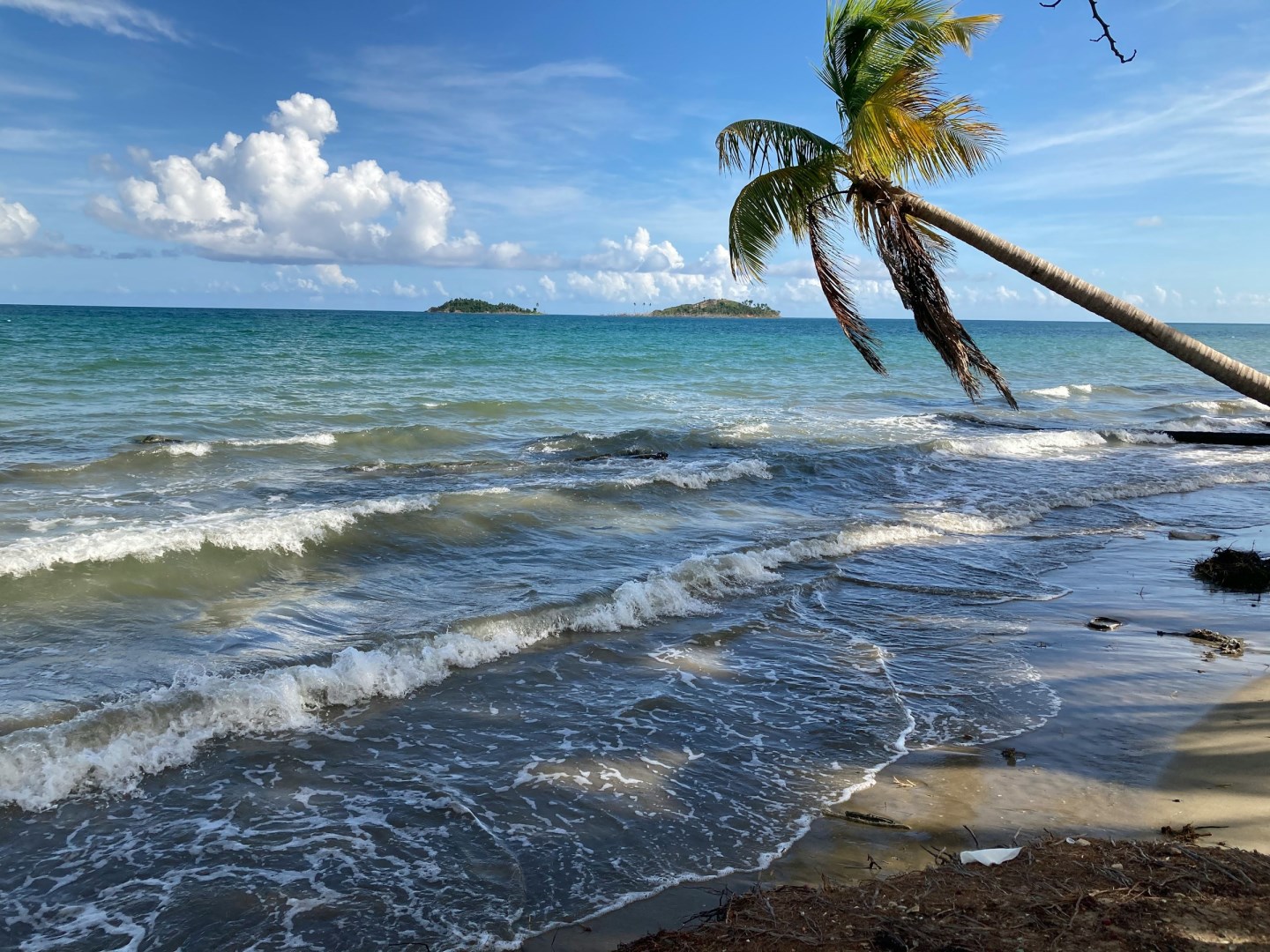
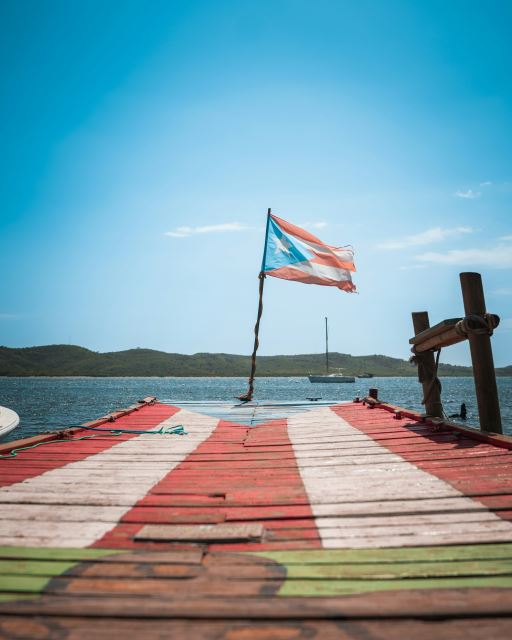
Humacao is a coastal city on the southeastern side of Puerto Rico, facing the Caribbean Sea and surrounded by low hills, wetlands, beaches, and agricultural land. The city sits near the mouth of the Río Humacao, with its urban center inland from the coast and several communities extending toward the shoreline. Humacao is known for its access to natural areas, including the Humacao Nature Reserve and nearby coastal wetlands. Its location also places it within reach of Palmas del Mar, a large residential and resort development, while the city itself retains the character of an established Puerto Rican community with local businesses, plazas, schools, and civic institutions.
Humacao has a cultural identity shaped by Taíno heritage, Spanish settlement, African influences, agriculture, and its longstanding connection with the Caribbean coast. The city’s historic center includes the Catedral Dulce Nombre de Jesús and other traditional buildings that reflect Puerto Rico’s Spanish colonial architectural legacy. Agriculture, particularly sugar production, played an important role in the wider region, and the former Ingenio Buena Vista area reflects that economic history. Local traditions include Puerto Rican music, religious celebrations, artisan crafts, and community festivals. The municipality also recognizes its connection with the Taíno past through archaeological and cultural heritage sites.
The Humacao Nature Reserve is one of the area’s principal attractions, protecting lagoons, mangroves, forests, wetlands, and coastal habitats where birds and other wildlife can be observed. The reserve contains trails and areas for kayaking, fishing, cycling, and wildlife watching. Nearby beaches include Punta Santiago, which faces the Caribbean and provides access to the reserve’s coastal landscape. Palmas del Mar offers additional beaches, golf, trails, and water-based activities, while the El Yunque National Forest lies within driving distance to the west. Humacao’s environment is particularly notable for the transition between developed coastal areas, wetlands, and inland hills.
Humacao’s cuisine reflects the broader food traditions of eastern Puerto Rico, with plantains, root vegetables, rice, beans, pork, chicken, and seafood forming the basis of many meals. Local dishes may include mofongo, arroz con gandules, pasteles, tostones, and fresh fish prepared in Caribbean styles. The coastal communities around Punta Santiago maintain a strong connection with fishing, while farmers in the surrounding countryside cultivate tropical crops. Humacao is sometimes known as the “Pearl of the East,” a traditional nickname that reflects its location on Puerto Rico’s eastern coast. Its combination of wetlands, beaches, historic sites, and established community life gives the city a distinct regional character.